
Sunburn treatment starts immediately after sun exposure. Learn 7 practical tips to relieve discomfort, protect your skin, and recognise when medical care may be needed.
August 5, 2026
Sunburn Treatment: 7 Essential Tips for Faster Recovery
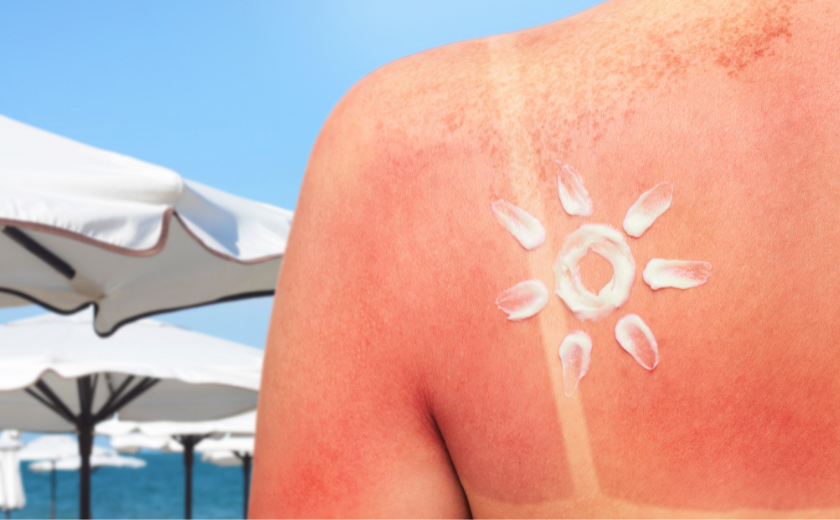
Sunburn treatment is something many travelers unfortunately end up searching for after spending too much time in the sun. Whether you’ve been relaxing on the beach, exploring a coastal town, enjoying a boat trip, or sightseeing for hours, excessive sun exposure can quickly turn a great holiday into an uncomfortable experience.
The good news is that most mild sunburns improve with the right care. Acting early can reduce discomfort, help your skin recover, and lower the risk of complications. Here are 7 essential tips for effective sunburn treatment.
1. Get out of the sun immediately
The first step in sunburn treatment is simple.
As soon as you notice your skin becoming painful, unusually red, or hot, move into the shade or indoors.
Continuing to stay in direct sunlight will usually make the burn worse.
2. Cool the skin gently
Cooling the affected area helps reduce discomfort.
A better approach is to:
- take a cool shower
- use cool (not ice-cold) compresses
- avoid placing ice directly on the skin
- gently pat the skin dry instead of rubbing it
Very cold temperatures may irritate already damaged skin.
3. Keep your skin well hydrated
One of the most important parts of sunburn treatment is maintaining skin moisture.
After cooling the skin, apply a gentle moisturizer or an after-sun lotion to help reduce dryness.
Avoid products containing strong perfumes or alcohol, as they may increase irritation.
4. Drink more water than usual
Sunburn doesn’t only affect your skin.
It also increases your body’s fluid needs, especially after a long day outdoors.
Drink plenty of water throughout the day, even if you don’t feel particularly thirsty.
Staying hydrated supports recovery and helps reduce the risk of dehydration during hot weather.
5. Leave blisters alone
If blisters appear, avoid popping them.
Blisters protect the damaged skin underneath and reduce the risk of infection.
Instead:
- keep the area clean
- avoid friction
- wear loose clothing
- allow the skin to heal naturally
6. Avoid more sun until your skin has recovered
One of the biggest mistakes after a sunburn is returning to the beach the following day.
During sunburn treatment, your skin is much more sensitive.
Until it has healed:
- stay in the shade whenever possible
- wear lightweight clothing that covers the area
- use sunscreen on unaffected exposed skin
- avoid prolonged sun exposure
Giving your skin time to recover is one of the most effective treatments.
7. Know when it is time to seek medical advice
Most sunburns improve within a few days.
However, medical assessment is recommended if you develop:
- extensive blistering
- severe pain
- fever
- chills
- confusion
- dizziness
- repeated vomiting
- signs of dehydration
- a child with a severe sunburn
These symptoms may indicate a more serious condition than a simple sunburn.
Sunburn prevention is always easier than treatment
Although sunburn treatment can help relieve symptoms, prevention remains the best approach.
Simple habits make a big difference:
- apply sunscreen regularly
- wear a hat
- wear sunglasses
- seek shade during the hottest hours
- drink plenty of water
- take regular breaks from direct sunlight
Common mistakes travelers make
Many holidaymakers accidentally make sunburn worse by:
- staying outside after the skin becomes red
- forgetting to reapply sunscreen
- drinking alcohol instead of water
- using ice directly on the burn
- popping blisters
- returning to the beach too soon
Avoiding these mistakes usually leads to a faster recovery.
Medical support during your holiday
If sunburn treatment at home is not enough and symptoms become more severe, it is important not to ignore them.
Severe sunburn can sometimes be accompanied by dehydration, heat exhaustion, or infection. Early medical advice is often the safest option, particularly for children, older adults, and travelers with extensive burns.
Final Thoughts
Most cases of sunburn improve with rest, hydration, cooling, and proper skin care.
The key is acting early, protecting the skin from further sun exposure, and recognising when symptoms suggest something more serious.
A few simple steps can make recovery much quicker and help you get back to enjoying your holiday safely.
FAQ Section
What is the best sunburn treatment?
The best sunburn treatment includes getting out of the sun, cooling the skin, staying hydrated, using a gentle moisturizer, and avoiding further sun exposure until the skin has healed.
How long does sunburn take to heal?
Most mild sunburns improve within 3 to 7 days, although deeper burns may take longer depending on their severity.
Should I pop sunburn blisters?
No. Blisters should be left intact because they help protect the skin and reduce the risk of infection.
When should I see a doctor for sunburn?
You should seek medical advice if you develop severe blistering, fever, confusion, dizziness, repeated vomiting, dehydration, or if a child has extensive sunburn.
Can I swim after getting sunburned?
It is usually better to avoid prolonged swimming and further sun exposure until the skin has started to recover, as both saltwater and additional UV exposure may increase irritation.
Need assistance in Zakynthos?
IASSIS MEDICAL Zakynthos is ready to help. Whether it’s a minor issue or an unexpected health concern, you’ll find fast, friendly, and English-speaking care just minutes away. Travel smart. Travel safe. Travel with peace of mind.
📞 +30 6941553423
🌐https://www.iassismedical.gr/
Internal Link Suggestions
Book your appointment online
Our simple to use, online appointment process makes it easy for you to book for any one of our services and doctors.