

Zakynthos beaches offer something for every kind of traveler, from family-friendly sands to dramatic coves. Read practical tips on planning a comfortable and safer beach day.
June 29, 2026
Zakynthos Beaches: What Travelers Should Know
Why Zakynthos beaches are so popular
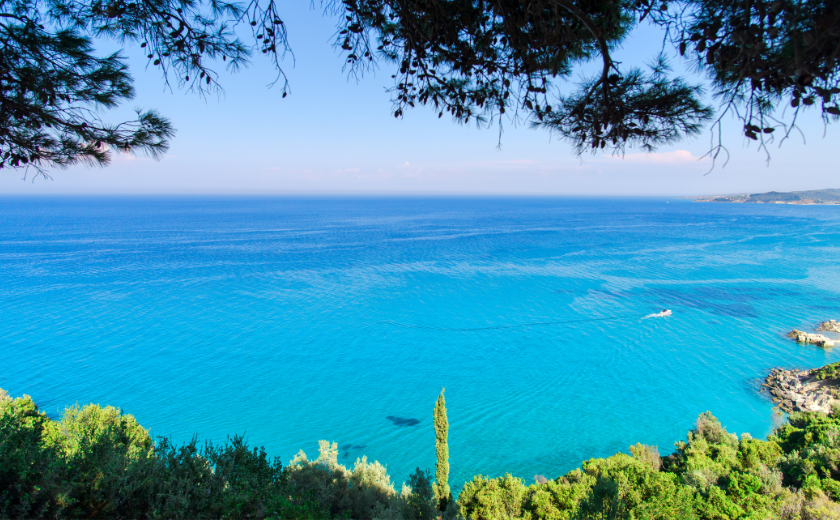
One reason Zakynthos beaches attract so much attention is that the island offers very different coastal experiences in one destination. Discover Greece’s current guide includes iconic spots like Navagio, turtle-area beaches such as Gerakas, lively beaches like Laganas and Banana, and unusual waters at Xigia. Greeka’s Zakynthos beach guide likewise shows a broad spread of beach types across the island.
That means travelers can choose beaches based on what they actually want from the day: scenery, calmer swimming, facilities, family comfort, a more social atmosphere, or a more adventurous outing. This is a practical inference from the range of beach types described by the travel guides.
Not all Zakynthos beaches feel the same
A useful thing to understand early is that Zakynthos beaches are not one single experience. Some are easy to access and better suited to families, while others are more dramatic and may involve extra effort, heat exposure, or sea-based access. For example, Discover Greece notes that Navagio is currently closed for maintenance and remains an iconic but special-case outing, while beaches like Gerakas, Laganas and Banana are presented as more conventional beach-day options.
This matters because travelers often make the mistake of planning beach days based only on photos. In practice, the “best” beach depends on the type of day you want and how much effort you want to put into it. That is a practical recommendation based on the differences in access and beach character shown in the guides.
Families should choose beach days realistically
Some Zakynthos beaches are better suited to a relaxed family day than others. Discover Greece highlights Gerakas as a quieter turtle-area beach and presents Laganas as major beach choices with their own distinct character. Greeka also shows which beaches are better known, easier to reach, or more organized.
For families, the most comfortable beach day is often not the most famous one, but the one that matches the age of the children, the heat of the day, the amount of walking involved, and the family’s energy level. This is practical advice inferred from the beach types and access differences in the guides.
Heat and sun can change the whole experience
Even the most beautiful Zakynthos beaches can become tiring in strong summer sun. Travel guides describe the island’s coastline as spectacular and highly exposed, which is part of the appeal, but also means long periods in bright conditions.
That is why a comfortable beach day usually depends on simple things:
- enough water
- sunscreen
- sunglasses
- a hat
- lighter clothing
- realistic timing
- not trying to combine too many stops in one day
These are practical travel recommendations based on the exposed coastal conditions described by the travel sources.
What travelers should bring with them
A day at Zakynthos beaches is easier when treated as a proper outing rather than an improvised stop. Depending on the beach, travelers may need more preparation than expected.
It is sensible to bring:
- enough water
- sunscreen
- sunglasses
- a hat
- light snacks
- comfortable footwear
- a charged phone
- anything normally used for motion sickness if the day includes a boat element
This is practical guidance inferred from the island’s beach diversity and the fact that some beach experiences are road-based while others connect to sea excursions.
Turtle-area beaches deserve extra respect
Some Zakynthos beaches are linked to protected wildlife, especially loggerhead turtle nesting areas. Official travel sources note that Laganas Bay is a protected marine park and an important nesting ground for Caretta caretta. Gerakas is regularly associated with this protected environment.
That means beach days in these areas should be approached respectfully. Travelers do not need to feel anxious, but they should follow local instructions and avoid treating protected beaches like ordinary unrestricted beach zones. This is a practical inference from the protected status described by the official travel sources.
What travelers should watch out for
The main things to watch out for at Zakynthos beaches are heat, overplanning, dehydration, children getting tired faster than expected, and assuming every beach is equally easy. A beach that looks calm in a photo can still become a long and tiring outing once road time, parking, walking, and sun exposure are added. This is practical advice inferred from the beach variety and access conditions described by the guides.
A smarter beach day usually means:
- choosing fewer stops
- deciding what kind of beach day you want
- avoiding peak exhaustion
- giving children and older travelers more breaks
- not forcing a full-day outing when the weather or energy level says otherwise
When it is no longer just a tiring beach day
Most people leave Zakynthos beaches with nothing worse than tiredness, sun, and a need for water or rest. But if symptoms continue after the outing, it may no longer be just normal beach fatigue.
You should take it more seriously if there is:
- dehydration that is not improving
- repeated vomiting
- unusual weakness
- strong dizziness
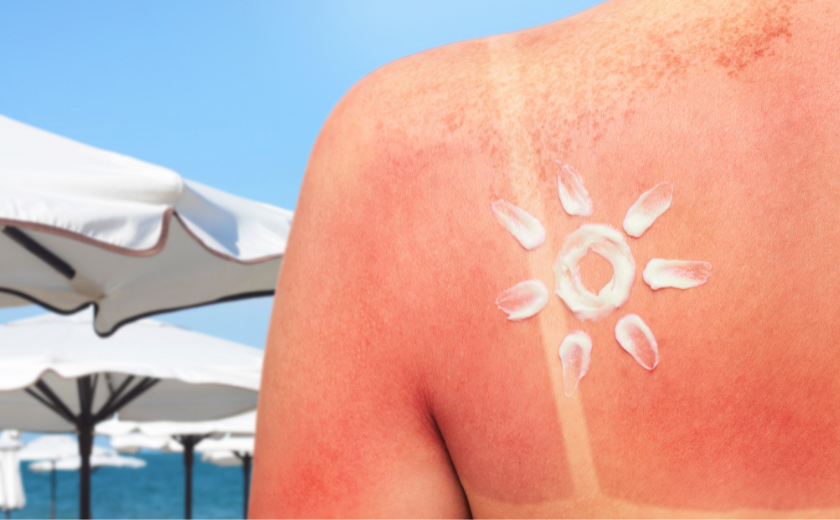
- severe sunburn
- fever
- a child who seems clearly unwell
- symptoms that are getting worse instead of improving
This is practical medical guidance rather than a tourism fact.
When to seek medical advice during your stay
After a day at Zakynthos beaches, medical advice may be worth considering if you or someone in your group has worrying symptoms that continue after rest and fluids. Early advice is often easier than waiting too long, especially when children, older travelers, or already tired visitors are involved.
That is particularly true in peak summer conditions, when heat, long outdoor hours and repeated beach stops can make even a simple day feel more demanding than expected. This is practical guidance based on the exposed beach-day conditions described by current Zakynthos travel sources.
What to watch out for after eating fish
The most important health concern in the literature around this species is consumption. EU fisheries sources explicitly describe the fish as highly poisonous, and the broader scientific context around marine toxins makes clear that fish-related toxins can pose serious health risks when they enter the food chain.
That is why the most sensible advice for travelers is straightforward: never eat fish of uncertain identity, and never treat an unusual catch as harmless.
When to seek medical advice during your stay
You should seek medical advice promptly if:
- there has been direct handling with injury
- there is concerning pain or swelling
- an unidentified fish may have been eaten
- there is vomiting or unusual weakness after suspected consumption
- symptoms are worrying, unusual, or getting worse
The practical message for puffer fish Zakynthos is not fear. It is simply early action if something does not feel right.
Final Thoughts
Zakynthos beaches are one of the island’s great highlights, and for good reason. Current travel guides present the island as one of Greece’s best beach destinations, with famous coves, family-friendly options, marine-park areas and very different styles of coastline to choose from.
The best beach day is not always the one with the most stops or the most famous name. It is the one that matches your pace, your group, and the conditions of the day. A little planning, enough water, and realistic expectations can make a major difference. And if the day starts affecting your health afterward, it is best to seek medical advice early rather than wait for symptoms to get worse.
FAQ Section
What are the best Zakynthos beaches?
Current travel guides regularly highlight Zakynthos beaches such as Navagio, Gerakas, Laganas, Xigia and Porto Vromi among the island’s best-known options.
Are Zakynthos beaches good for families?
Some Zakynthos beaches are very family-friendly, but not all beach days feel the same. Travelers should choose according to access, heat, facilities and how demanding the outing will be. This is practical advice inferred from the range of beach types described in current travel guides.
What should I bring for a beach day in Zakynthos?
For Zakynthos beaches, it is a good idea to bring water, sunscreen, sunglasses, a hat, light snacks, comfortable footwear and a charged phone.
Are there protected turtle beaches in Zakynthos?
Yes. Official sources describe Laganas Bay as a protected marine park and an important nesting ground for loggerhead turtles.
When should I seek medical advice after a beach day?
You should consider medical advice if there is dehydration, dizziness, repeated vomiting, unusual weakness, severe sunburn, fever, or symptoms that are getting worse.
Need assistance in Zakynthos?
IASSIS MEDICAL Zakynthos is ready to help. Whether it’s a minor issue or an unexpected health concern, you’ll find fast, friendly, and English-speaking care just minutes away. Travel smart. Travel safe. Travel with peace of mind.
📞 +30 6941553423
🌐https://www.iassismedical.gr/
Internal Link Suggestions
Book your appointment online
Our simple to use, online appointment process makes it easy for you to book for any one of our services and doctors.